
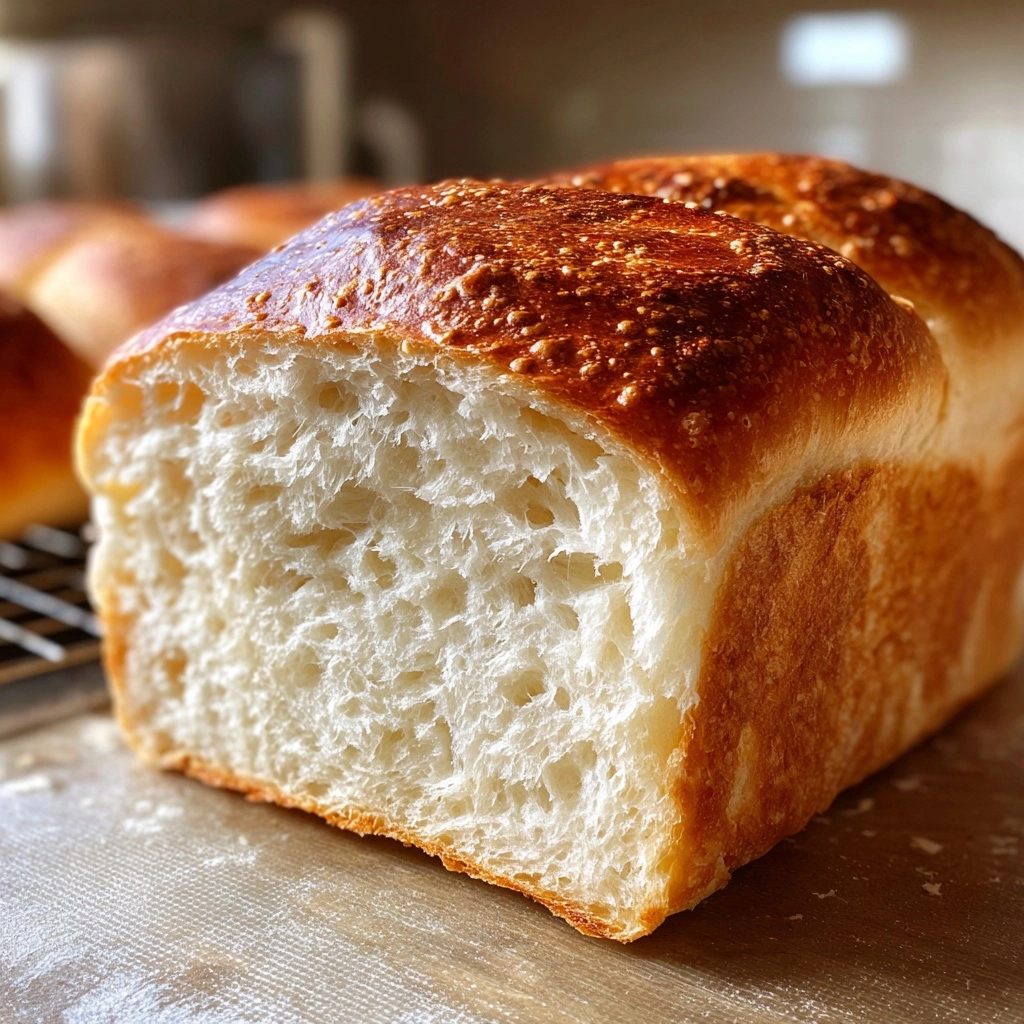
If you’ve ever dreamed of creating bakery-quality bread right in your own kitchen, this Soft Homemade Bread Dough Recipe is an absolute game-changer. It’s incredibly soft, perfectly elastic, and has that irresistible fresh-from-the-oven aroma that makes your whole house feel like a cozy haven. Whether you’re shaping it into fluffy dinner rolls or a classic loaf, this recipe is your reliable companion for warm, delicious bread that truly feels like a labor of love.
Ingredients You’ll Need
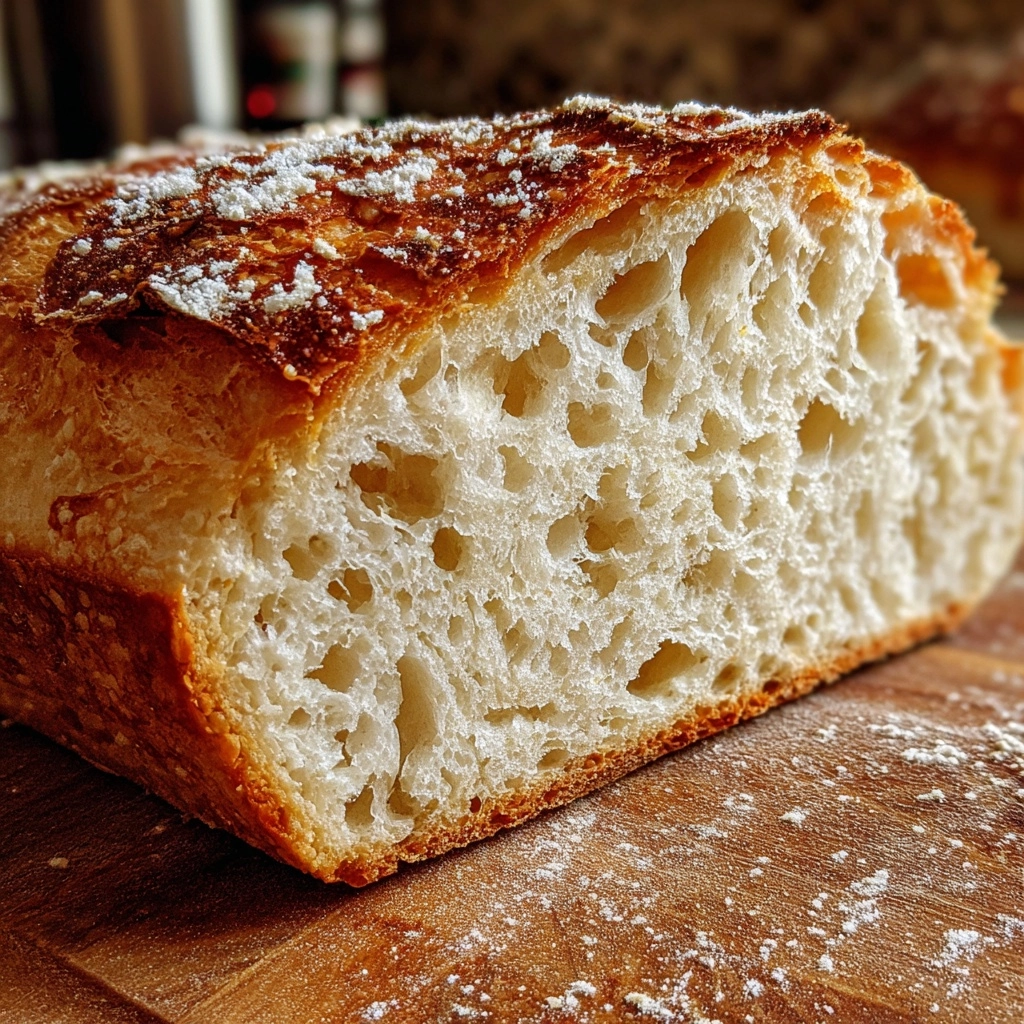
The beauty of the Soft Homemade Bread Dough Recipe lies in its simplicity and the quality of each ingredient. Every element plays a crucial role, from providing flavor and texture to ensuring the dough rises beautifully with a tender crumb.
- 4 cups all-purpose flour: The foundation of the dough, giving structure and body.
- 2 1/4 teaspoons active dry yeast (1 packet): This magical ingredient makes your dough rise and become delightfully airy.
- 2 tablespoons sugar: Feeds the yeast for a lively rise and adds a touch of sweetness.
- 1 1/2 teaspoons salt: Enhances flavor and balances the sweetness.
- 1 cup warm milk (about 110°F): Provides moisture and enriches the dough, making it tender.
- 1/4 cup warm water (about 110°F): Helps activate the yeast gently without killing it.
- 1/4 cup unsalted butter, melted: Adds richness and softness to the texture.
- 1 large egg: Binds the dough and contributes to its soft crumb and golden color.
How to Make Soft Homemade Bread Dough Recipe
Step 1: Activate the Yeast
Begin by combining the warm water, warm milk, sugar, and yeast in a large mixing bowl. It’s essential the liquids are just the right temperature—around 110°F—to wake up the yeast without harming it. Let this mixture sit for 5 to 10 minutes until it becomes foamy and bubbly. This foamy yeast mixture is your first sign that the dough will rise beautifully.
Step 2: Mix the Dough
Add the melted butter, egg, salt, and 3 cups of the flour to your foamy yeast mixture. Stir everything together until you have a sticky dough. Don’t yet add all the flour; you’ll gradually incorporate more until the dough pulls away from the sides of the bowl but still remains soft to the touch. This balance is key for perfectly tender bread.
Step 3: Knead the Dough
Transfer your sticky dough to a lightly floured surface and knead it vigorously for 8 to 10 minutes until it feels smooth and elastic. If you have a stand mixer, simply use the dough hook attachment and knead for 5 to 6 minutes. Kneading develops the gluten network that gives the bread its structure and elasticity.
Step 4: First Rise
Place your kneaded dough into a greased bowl, cover it with a clean towel to keep it cozy, and let it rise in a warm spot for about 1 to 1 1/2 hours. Patience here is well rewarded as the dough will double in size, growing light and airy as the yeast works its magic.
Step 5: Shape and Second Rise
Once the dough has doubled, gently punch it down to release the built-up gases. Shape it however you like: rolls, loaves, or even braided bread. Place your shaped dough on a baking tray or in a loaf pan, cover it loosely, and let it rise again for 30 to 45 minutes before baking. This second rise gives the bread that lovely fluffy texture inside.
How to Serve Soft Homemade Bread Dough Recipe
Garnishes
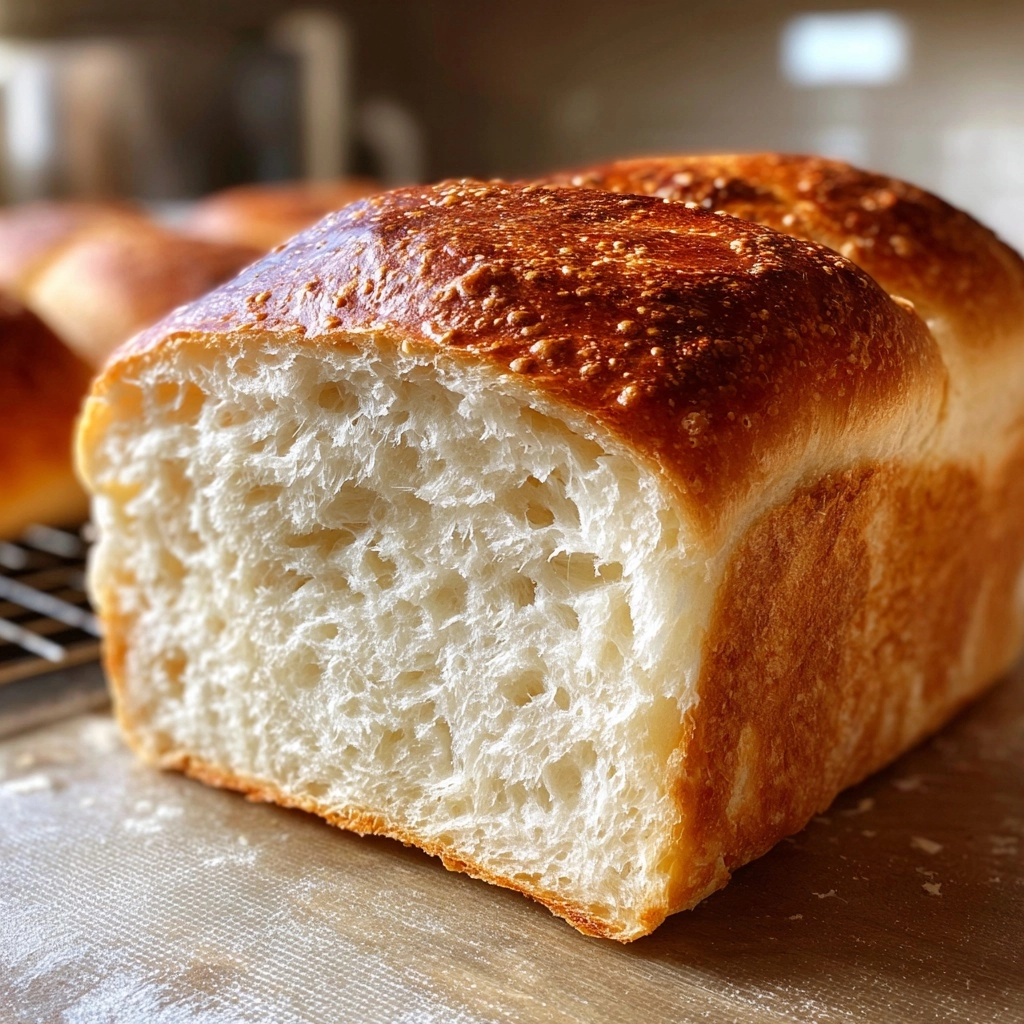
Adding finishing touches can elevate your bread to another level. A light brush of melted butter right after baking gives it a shiny, inviting crust. For a rustic touch, sprinkle sesame seeds, poppy seeds, or coarse sea salt before the final rise — these little details make all the difference in both taste and presentation.
Side Dishes
Soft homemade bread is the perfect partner for so many meals. Enjoy it alongside hearty soups, stews, or creamy pasta dishes. It’s also fantastic with a simple platter of cheeses, olives, and cured meats for an effortless appetizer spread that impresses without stress.
Creative Ways to Present
Why not try shaping your Soft Homemade Bread Dough Recipe into twists, knotted rolls, or even pull-apart bread? Stuffing the dough with herbs, garlic butter, or cheese before baking adds an irresistible burst of flavor and fun to the experience. Presentation is a wonderful way to showcase your bread-making creativity and make every bite feel special.
Make Ahead and Storage
Storing Leftovers
If you have leftover bread dough or baked bread, store it in an airtight container or resealable bag at room temperature. Properly stored, the bread will stay soft and fresh for up to two days. This lets you enjoy your homemade treat without rushing.
Freezing
The versatility of the Soft Homemade Bread Dough Recipe shines here—you can freeze shaped dough after the first rise. Wrap it tightly in plastic wrap and foil, then place it in the freezer for up to one month. When ready, thaw overnight in the refrigerator and proceed with the second rise and baking. This is perfect for planning ahead!
Reheating
Reheat your baked bread by wrapping it loosely in foil and warming it in a preheated 350°F oven for 10 to 15 minutes. This method helps revive the bread’s lovely softness and brings back that fresh-baked aroma. Avoid microwaving, which can make the crust chewy or tough.
FAQs
Can I use whole wheat flour instead of all-purpose flour?
Absolutely! Substituting whole wheat flour will give your Soft Homemade Bread Dough Recipe a nuttier flavor and denser texture. Consider starting with half whole wheat and half all-purpose to maintain softness, then adjust as you like.
What if my dough doesn’t rise?
If your dough isn’t rising, it might be due to inactive yeast or liquid temperatures that were too hot or cold. Always use warm liquids around 110°F and check your yeast’s expiration date to ensure it’s fresh and active.
Can I add herbs or spices to this dough?
Definitely! Adding finely chopped herbs like rosemary or thyme, or spices such as cinnamon for sweet breads, can enhance the flavor. Add them during the mixing stage to evenly distribute the taste.
How soft will the bread be if I bake it right after mixing?
Letting the dough rise twice is what gives this Soft Homemade Bread Dough Recipe its signature softness. Baking immediately after mixing will result in dense bread, so patience is key for that airy, tender crumb.
Is this recipe suitable for beginners?
Yes, this Soft Homemade Bread Dough Recipe is straightforward and forgiving, making it perfect for first-time bread bakers. Follow the steps carefully, and you’ll be amazed at the delicious results you can achieve!
Final Thoughts
There’s something truly special about pulling fresh, soft bread out of the oven that you made with your own hands. This Soft Homemade Bread Dough Recipe is my go-to when I want that warm, comforting touch on the table, whether for an everyday meal or a special occasion. I hope you give it a try and enjoy every step from mixing to that first heavenly bite.