
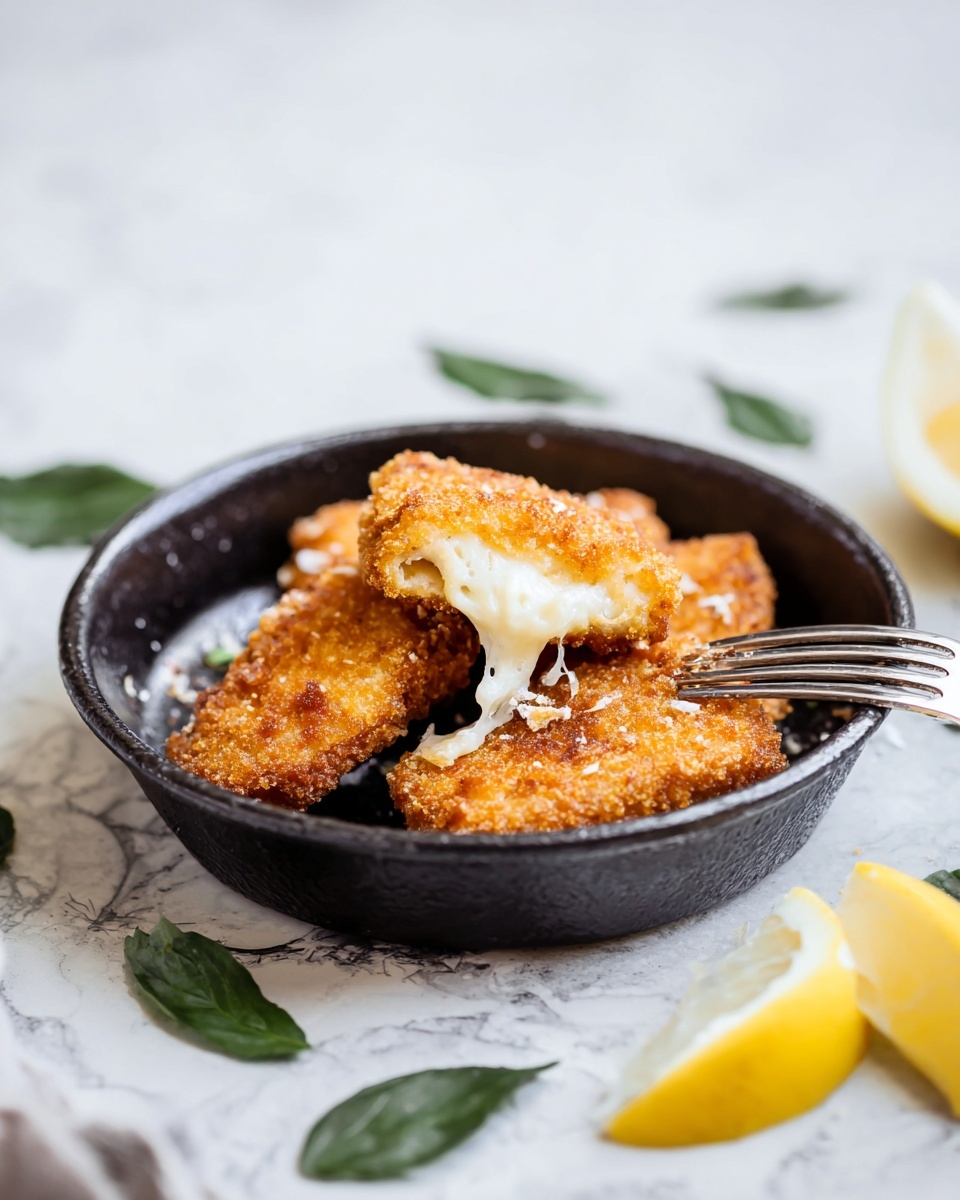
If you’ve ever fallen in love with the crispy, golden crust and gooey, melty center of fried cheese, then you’re in for a genuine treat with this Saganaki (Greek Fried Cheese) Recipe. This classic Greek appetizer is delightfully simple yet unbelievably satisfying, boasting a perfect balance of rich, salty cheese crusted in flour and kissed by a splash of zesty lemon. Whether you’re entertaining guests or just craving something savory and indulgent, this recipe delivers that authentic Mediterranean magic in just minutes.

Ingredients You’ll Need
The beauty of the Saganaki (Greek Fried Cheese) Recipe lies in its simplicity. Each ingredient plays a crucial role: the cheese brings that creamy richness, the flour creates a crispy exterior, olive oil fries it to perfection, and the lemon adds a refreshing brightness that cuts through the indulgence.
- Saganaki cheese: Look for firm Greek cheeses like kefalotyri or kasseri that melt without losing their shape.
- Flour: A light dredge of all-purpose flour ensures a crisp, golden crust.
- Olive oil: Use a good quality extra virgin olive oil for frying to add silkiness and a hint of fruity flavor.
- 1/2 lemon (cut into wedges): Fresh lemon juice brightens the dish with a perfect zesty finish.
How to Make Saganaki (Greek Fried Cheese) Recipe
Step 1: Heat the Oil
Begin by heating enough olive oil in a small skillet over medium-high heat to fully coat the bottom. It’s important the oil is hot but not smoking to achieve the perfect golden crust on your saganaki cheese.
Step 2: Prepare the Cheese
While the oil warms, dredge your piece of saganaki cheese evenly in flour. This step is key for creating that irresistible crispy exterior once fried, so don’t skip or skimp on the coating.
Step 3: Fry the Cheese
Carefully place the floured cheese into the hot oil. Fry for several minutes on each side until it turns beautifully golden brown. The cheese might stick slightly at first, so gently loosen it with a metal spatula before flipping to keep that crust intact.
Step 4: Add the Finishing Touches
Once fried to perfection, transfer the saganaki cheese to a plate. You can choose to drain some excess oil for a lighter bite, then immediately squeeze fresh lemon juice over the top. This finishing touch brings a lively zing that elevates the entire dish.
How to Serve Saganaki (Greek Fried Cheese) Recipe
Garnishes
Simple garnishes highlight the elegant flavors of saganaki. A few fresh parsley leaves can add a pop of color and herbaceous aroma, while a sprinkle of crushed red pepper flakes brings a subtle heat that contrasts nicely with the tangy lemon.
Side Dishes
Serve saganaki alongside crusty bread or warm pita slices to soak up the wonderful melted cheese and olive oil. For a fuller meal, pair it with a crisp Greek salad featuring tomatoes, cucumbers, olives, and a sprinkle of oregano for authentic Mediterranean flair.
Creative Ways to Present
Take your presentation up a notch by serving saganaki on a wooden board with lemon wedges arranged artfully around the cheese. Alternatively, place the fried cheese atop a bed of arugula dressed lightly with olive oil and balsamic vinegar to add peppery depth and sophisticated contrast.
Make Ahead and Storage
Storing Leftovers
If you happen to have leftovers, store them in an airtight container in the refrigerator. Since saganaki is best enjoyed fresh, try to consume within a day for the best texture and flavor.
Freezing
Freezing saganaki is not recommended because the texture of the cheese and crust will change upon thawing, often leading to a less satisfying experience. It’s best to eat this delightful fried cheese fresh.
Reheating
When reheating, use a skillet over medium heat instead of a microwave to help revive the crispy crust while warming the cheese inside. A quick re-fry in a small amount of olive oil will bring it back to life wonderfully.
FAQs
What type of cheese is best for saganaki?
The best cheeses for saganaki are firm Greek varieties like kefalotyri or kasseri that hold their shape during frying but become wonderfully melty inside.
Can I use regular mozzarella or cheddar?
While mozzarella or cheddar can be used in a pinch, they tend to melt too much, losing the signature crispy fried exterior that makes saganaki so special.
Is saganaki very oily?
Saganaki is fried in olive oil, so it does have some oiliness, but draining excess oil before serving and adding fresh lemon juice balances the richness beautifully.
Can saganaki be made vegan?
Saganaki is traditionally made with cheese, but vegan versions use firm plant-based cheeses that can tolerate frying. The texture and flavor will differ, but it’s a creative alternative worth trying.
Is saganaki served hot or cold?
Saganaki is best served hot immediately after frying to enjoy the crispy crust and melty center at their peak deliciousness.
Final Thoughts
There’s something truly magical about the Saganaki (Greek Fried Cheese) Recipe that makes it an unforgettable appetizer to share with friends and family. It’s quick, simple, and bursting with bold, savory flavors and textures you’ll want to make again and again. Give this recipe a try, and I promise you’ll find yourself hooked on this crispy, cheesy Greek classic.