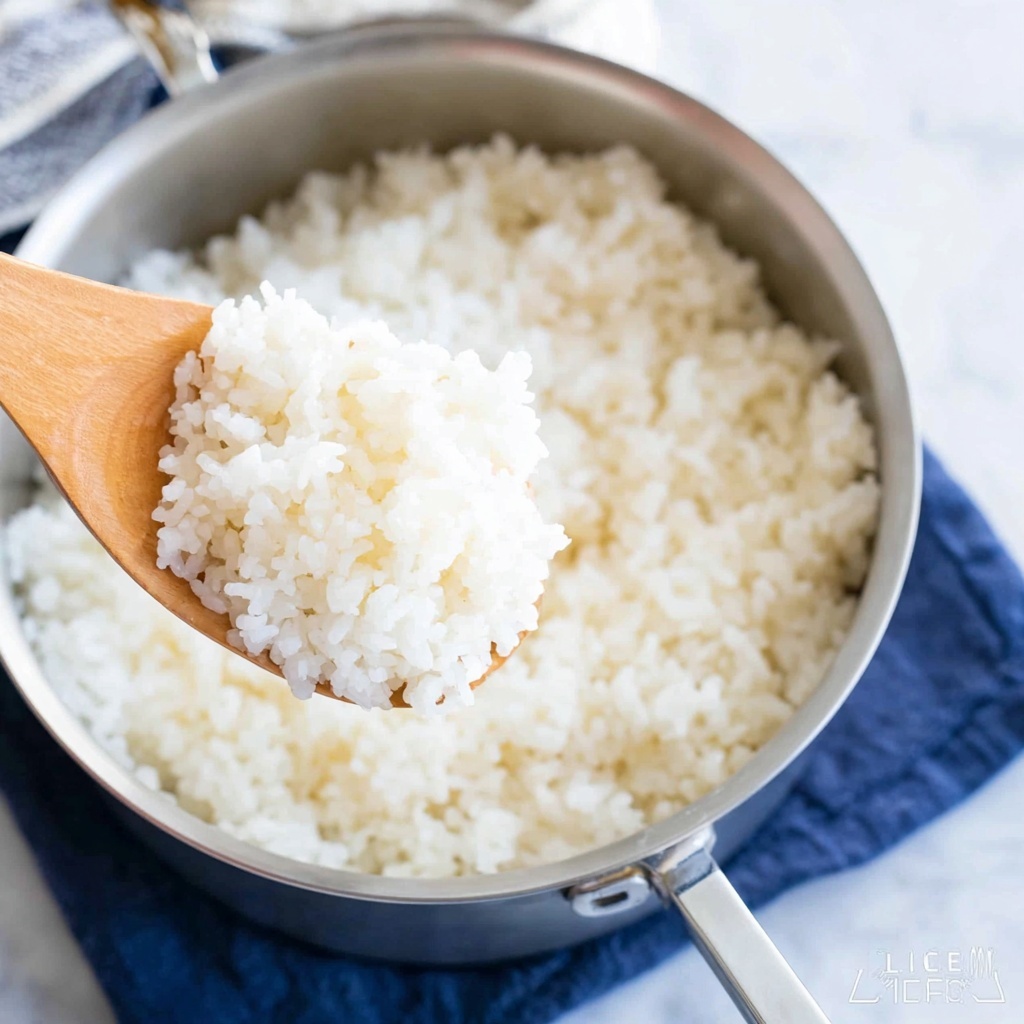
If you have ever wondered about the secret behind perfectly sticky, flavorful sushi rice, you’ve come to the right place! Learning How to Make Sushi Rice Recipe is truly a game changer for your homemade sushi adventures. This recipe brings the perfect balance of tangy, sweet, and subtly salty flavors while delivering that essential sticky texture that holds sushi together beautifully. It’s simple, straightforward, and once you master it, you’ll never look at store-bought sushi rice the same way again.
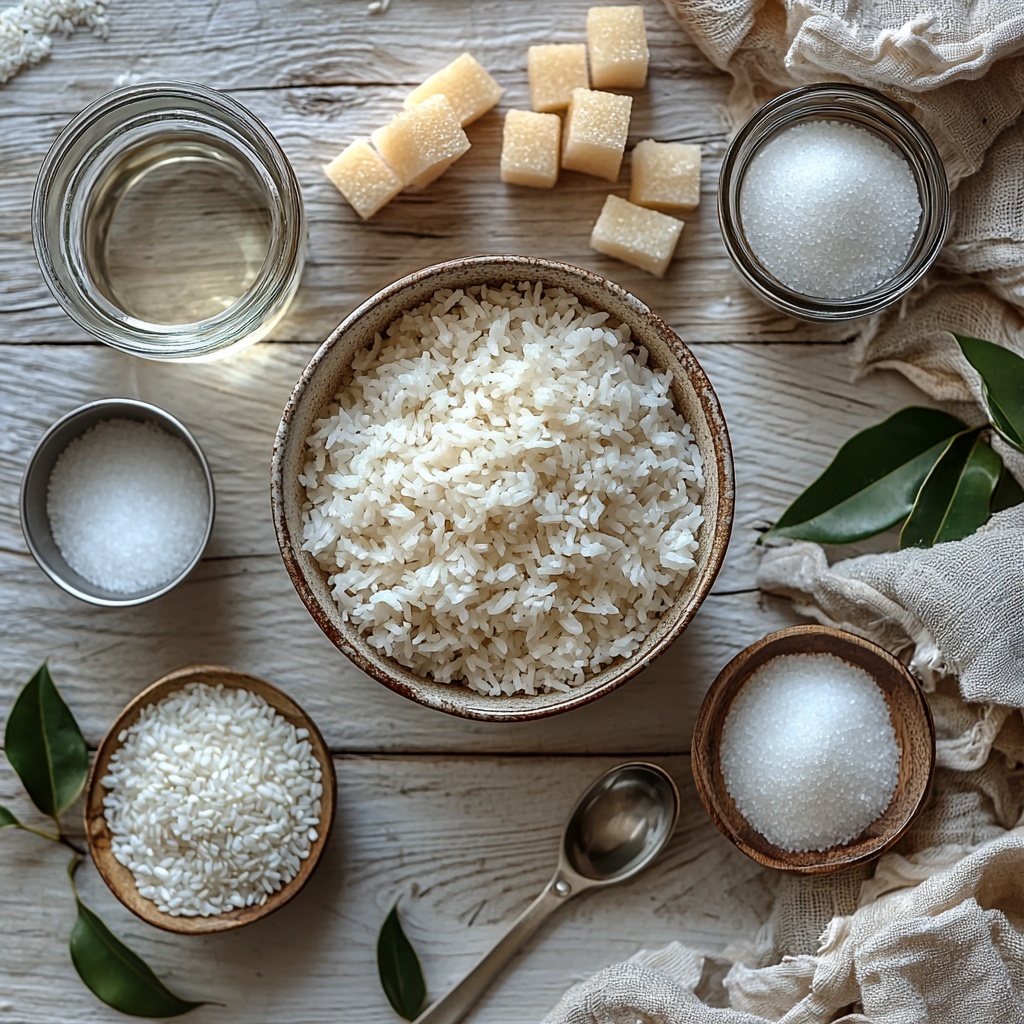
Ingredients You’ll Need
Creating amazing sushi rice boils down to just a few essential ingredients, each chosen for its role in nailing that signature texture and flavor. These pantry staples come together effortlessly to elevate your sushi experience.
- 2 cups sushi rice: The foundation of any great sushi dish; its short grains become tender yet sticky after cooking.
- 2 ½ cups water: Perfectly hydrates the rice for a soft, chewy texture without being mushy.
- ¼ cup rice vinegar: Adds the iconic subtle tang that defines sushi rice’s bright flavor.
- 1-2 tablespoons sugar: Balances out the acidity with a gentle sweetness for that classic sushi rice taste.
- 1 teaspoon salt (to taste): Enhances all the flavors and helps round out the profile.
How to Make How to Make Sushi Rice Recipe
Step 1: Rinse the Rice
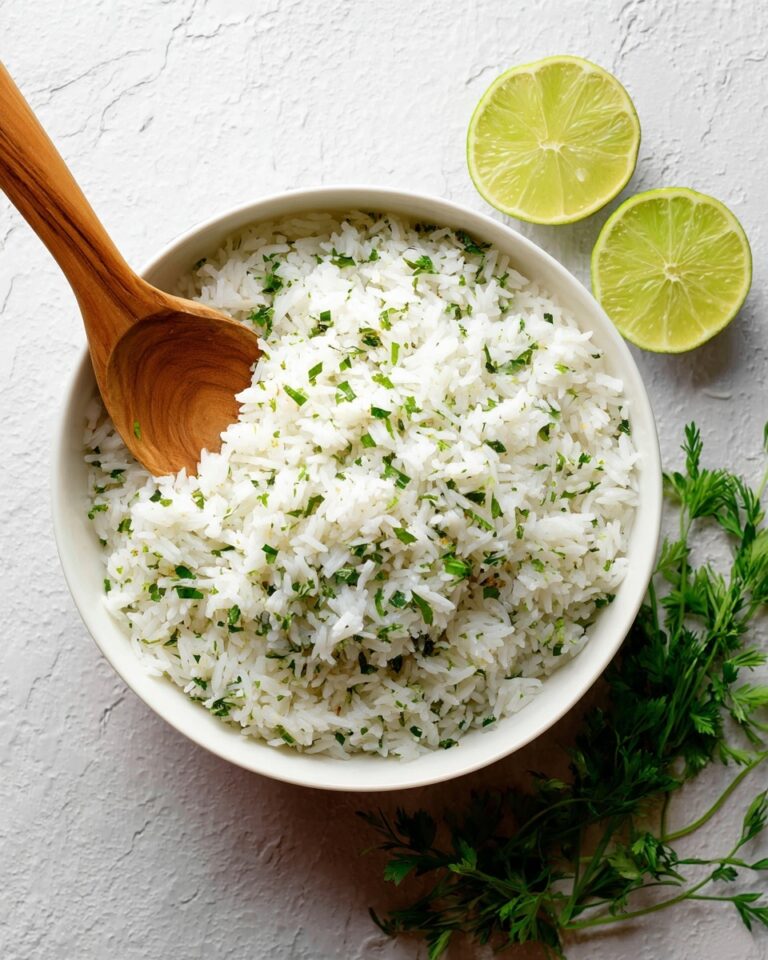
The very first step in How to Make Sushi Rice Recipe is rinsing your rice thoroughly. Place the sushi rice in a fine mesh strainer and rinse it under cold running water for 2 to 3 minutes. This step removes excess starch from the rice’s surface, which prevents the grains from becoming gluey and ensures a clean, fluffy finished texture. Keep rinsing until the water runs clear—it’s worth the little extra effort!
Step 2: Cook the Rice
Next comes cooking the rice. Combine 2 cups of rinsed sushi rice with 2 ½ cups of water in a pot. Bring it to a boil over high heat, then reduce the heat to low and cover the pot with a tight-fitting lid. Let it simmer gently for about 20 minutes, allowing the rice to absorb the water evenly so it cooks perfectly through without drying out or burning. After cooking, resist the temptation to lift the lid immediately; letting it steam for a few minutes off heat helps achieve that tender, sticky consistency.
Step 3: Prepare the Vinegar Mixture
While the rice is simmering, it’s time to prepare the flavorful seasoning. In a small saucepan over medium heat, combine your rice vinegar, sugar, and salt. Whisk gently until the sugar and salt fully dissolve, about 2 to 3 minutes. This warm vinegar mixture is what transforms plain rice into the iconic sushi rice by adding that irresistible sweet and tangy taste.
Step 4: Season the Rice
When the rice is finished cooking, transfer it to a large bowl for seasoning. Pour the warm vinegar mixture evenly over the hot rice. Using a rice paddle or a silicone spatula, gently fold the rice to mix thoroughly without smashing the grains. This gentle folding technique ensures the rice gets coated with flavor while keeping its lovely texture intact.
Step 5: Let the Rice Cool
Finally, cover the seasoned rice with a damp paper towel to prevent drying out and let it cool to room temperature. This cooling step is crucial because sushi rice tastes its best when slightly warm, sticky, but not hot. Now you’re all set to craft beautiful sushi rolls, nigiri, or even a vibrant sushi bowl!
How to Serve How to Make Sushi Rice Recipe
Garnishes
Your perfectly made sushi rice pairs wonderfully with garnishes like toasted sesame seeds, finely sliced nori strips, or a sprinkle of furikake. These toppings add texture and bursts of umami that complement the soft rice beautifully. A little fresh ginger or wasabi on the side elevates the flavors even more and adds that authentic touch.
Side Dishes
Sushi rice is incredibly versatile and lends itself well to light and fresh side dishes. Think thinly sliced cucumber salad, pickled radishes, and seaweed salad. These refreshing sides balance the richness of the rice and proteins, making your sushi meal complete and satisfying from start to finish.
Creative Ways to Present
Don’t limit yourself to traditional sushi rolls! Use your sushi rice as a base for a colorful sushi bowl topped with avocado slices, crab meat, or grilled vegetables for a vibrant and healthy twist. Mold it into bite-sized nigiri or shape it into onigiri rice balls wrapped with seaweed for an easy handheld snack. The possibilities are as endless as your creativity!
Make Ahead and Storage
Storing Leftovers
If you have any sushi rice leftover, store it in an airtight container at room temperature for up to 24 hours. Avoid refrigeration as it can dry out the rice and alter its sticky texture. Make sure to cover it with a damp cloth before sealing to maintain moisture.
Freezing
Freezing sushi rice isn’t ideal because it can change the texture upon thawing, making the grains less sticky and a bit crumbly. If you must freeze, portion it out in airtight, freezer-safe containers and consume within a month, then thaw gently in the refrigerator before use.
Reheating
To reheat leftover sushi rice, sprinkle a few drops of water over it and cover with a damp paper towel. Warm it gently in the microwave in short bursts to help it regain some moisture and softness without drying out. Avoid overheating as it can make the rice hard and unappealing.
FAQs
Can I use regular white rice instead of sushi rice?
Regular long-grain white rice does not have the sticky texture required for sushi. Sushi rice is a short-grain variety that naturally becomes sticky after cooking, which helps sushi rolls hold together nicely. Using other types of rice might result in rolls that fall apart.
Why is rinsing the rice important in this recipe?
Rinsing removes excess surface starch from the rice grains, preventing them from becoming overly sticky or gummy during cooking. It also results in a cleaner, lighter texture which is essential for perfect sushi rice.
Can I adjust the sugar and salt levels in the vinegar mixture?
Absolutely! Tastes vary, so feel free to adjust the sugar and salt to your preference. Just keep in mind that the balance of sweet and salty is key to authentic sushi rice flavor, so tweak gradually and taste as you go.
Is it necessary to cool the rice before making sushi rolls?
Yes, cooling to room temperature helps the rice firm up slightly and prevents the heat from wilting nori sheets or cooking delicate sushi fillings. Warm but not hot rice is the sweet spot when assembling sushi.
What can I do if my rice turns out too sticky or mushy?
If the rice is too sticky or mushy, it’s often due to overcooking or not rinsing enough starch away. Next time, try rinsing longer, adjusting water quantity slightly, or reducing cooking time to get a firmer texture with grains that hold their shape.
Final Thoughts
Mastering How to Make Sushi Rice Recipe truly opens up a world of delicious sushi creations right in your own kitchen. With just a few simple ingredients and straightforward steps, you’ll be impressing friends and family with restaurant-quality sushi in no time. Give it a try—you’re going to love the process and even more, the results!
Print
How to Make Sushi Rice Recipe
- Prep Time: 10 minutes
- Cook Time: 20 minutes
- Total Time: 30 minutes
- Yield: 8 servings
- Category: Side Dish
- Method: Stovetop
- Cuisine: Japanese
- Diet: Gluten Free
Description
Learn how to make perfect sushi rice using simple ingredients and a straightforward stovetop method. This recipe details rinsing, boiling, seasoning with a seasoned rice vinegar mixture, and cooling the rice to achieve the ideal texture and flavor for sushi rolls or bowls.
Ingredients
Main Ingredients
- 2 cups sushi rice
- 2 ½ cups water
Seasoning Sauce
- ¼ cup rice vinegar
- 1–2 tablespoons sugar
- 1 teaspoon salt (to taste)
Instructions
- Rinse rice: Place sushi rice in a fine mesh strainer and rinse under running water for 2-3 minutes until the water runs clear to remove excess starch, preventing the rice from becoming too sticky.
- Boil rice: Combine rinsed rice and 2 ½ cups of water in a pot and bring to a boil. Once boiling, reduce heat to a simmer, cover with a lid, and cook for 20 minutes until the rice is tender and water is absorbed.
- Make vinegar mixture: In a small saucepan, mix rice vinegar, sugar, and salt. Heat over medium heat while whisking until sugar and salt fully dissolve, about 2-3 minutes. Remove from heat and let it cool slightly.
- Season rice: Transfer cooked rice to a large bowl. Slowly pour the vinegar mixture evenly over the rice and gently toss using a rice paddle or silicone spatula to coat while being careful not to mash the grains.
- Cover to cool: Cover the rice with a damp paper towel to keep it moist and let it cool to room temperature before using. The seasoned rice is now ready for sushi rolls or vegetarian sushi bowls.
Notes
- Rinsing the rice thoroughly is crucial for the right texture.
- Adjust sugar and salt to your taste preferences.
- Use a wooden or plastic rice paddle to avoid sticking and crushing the rice.
- The rice should cool to room temperature before using to prevent soggy sushi.
- This sushi rice pairs well with a variety of fillings including vegetables, fish, or tofu.