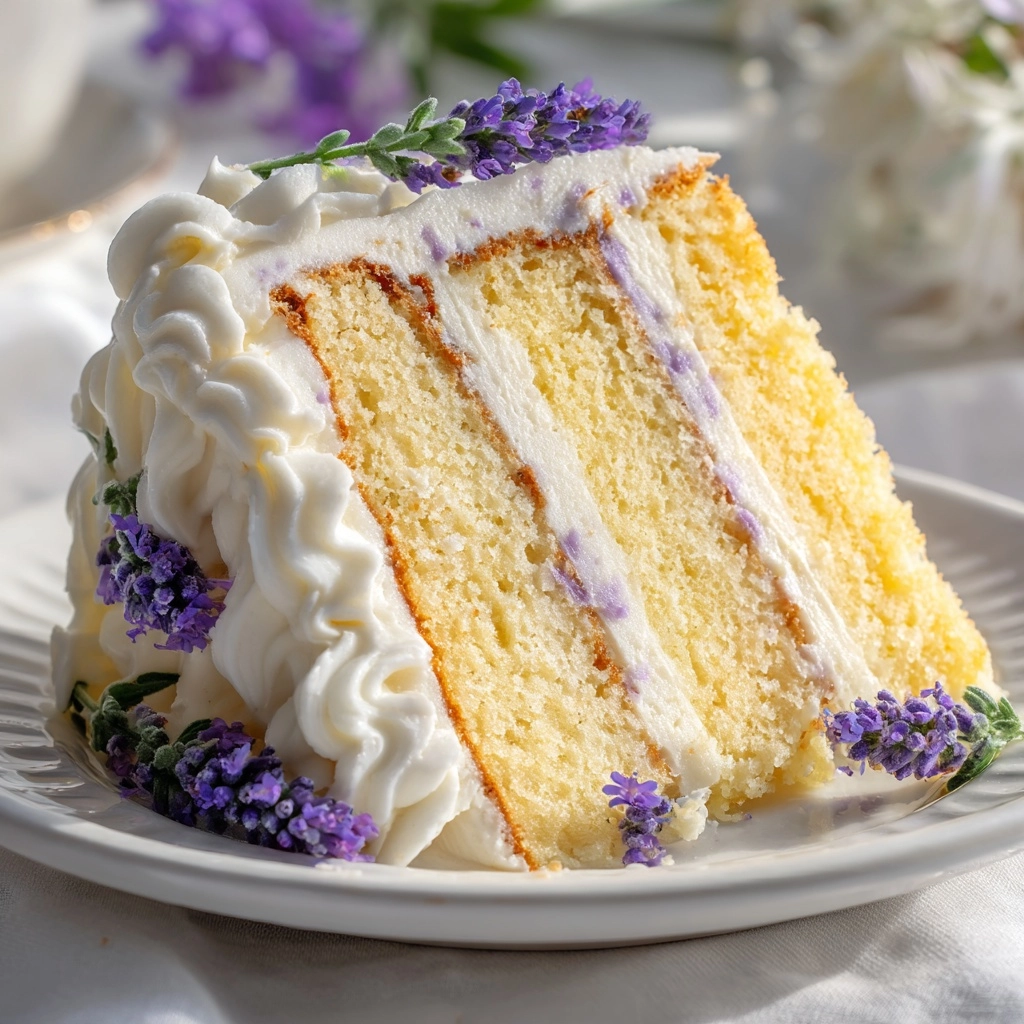
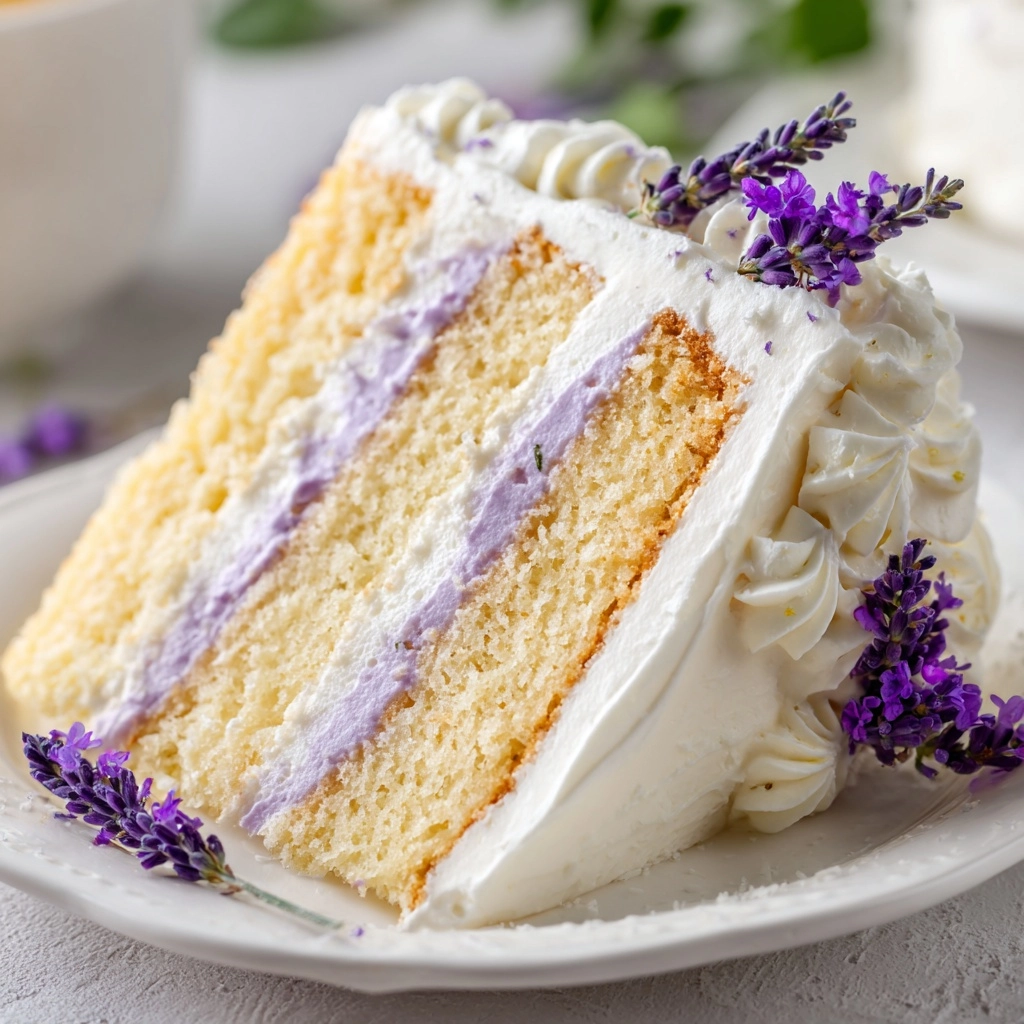
If you have a soft spot for bright, fresh flavors with a floral twist, this Lemon Lavender Cake Recipe is guaranteed to become one of your favorites. The zesty pop of lemon paired with the gentle fragrance of culinary lavender creates an unforgettable balance that feels like springtime in every bite. Moist, tender, and topped with a tangy lemon glaze, this cake is not only a feast for the taste buds but also a charming centerpiece for any gathering or quiet afternoon tea. Sharing this recipe with you feels like passing along a little sunshine wrapped in cake form!
Ingredients You’ll Need
This Lemon Lavender Cake Recipe calls for simple, pantry-friendly ingredients that come together beautifully to create a cake bursting with flavor and texture. Each component plays an important role, from the moisture-rich buttermilk that keeps the crumb tender to the finely crushed lavender that subtly perfumes the batter. Let’s dive into the essentials:
- 2 1/2 cups all-purpose flour: The foundation of your cake, providing structure and texture.
- 2 teaspoons baking powder: Helps the cake rise and become fluffy.
- 1/2 teaspoon baking soda: Works with the acidity of buttermilk to enhance rise and crumb.
- 1/2 teaspoon salt: Balances sweetness and enhances all the other flavors.
- 1 cup unsalted butter, softened: Gives richness and moisture, ensuring a tender cake.
- 1 3/4 cups granulated sugar: Sweetens the cake and contributes to a golden crumb.
- 4 large eggs: Bind ingredients and add structure with delicate lift.
- 1 tablespoon lemon zest: Offers bright, intense citrus flavor and aroma.
- 1/4 cup fresh lemon juice: Adds fresh tang and activates baking soda.
- 1 teaspoon pure vanilla extract: Rounds out the flavors with warmth and depth.
- 1 teaspoon culinary lavender, finely crushed: Infuses a gentle floral note that makes this cake uniquely delightful.
- 1 cup buttermilk: Moisturizes the crumb and contributes subtle tanginess.
- For the glaze: 1 cup powdered sugar: Sweet finishing touch that balances the tartness.
- 1–2 tablespoons lemon juice: Adjust to get the perfect drizzle consistency and flavor.
- 1/2 teaspoon dried culinary lavender (optional, for garnish): Adds visual charm and a hint of extra floral aroma on top.
How to Make Lemon Lavender Cake Recipe
Step 1: Prepare the Pan and Dry Ingredients
Start by preheating your oven to 350°F and greasing and flouring a 9-inch round or Bundt cake pan to ensure your cake releases easily after baking. In a separate medium bowl, whisk together the all-purpose flour, baking powder, baking soda, and salt. This mix of dry ingredients will give your cake the right lift and texture, setting you up for success in the next steps.
Step 2: Cream Butter and Sugar
In a large mixing bowl, cream together the softened unsalted butter and granulated sugar until the mixture is light and fluffy—this usually takes about 3 minutes. This step is crucial as it incorporates air into the batter, helping the cake rise with a tender crumb.
Step 3: Add Eggs and Flavorings
Beat in the eggs one at a time, ensuring each is fully incorporated before adding the next. Then, stir in the lemon zest, fresh lemon juice, pure vanilla extract, and finely crushed culinary lavender. This infusion of citrus and floral notes is what sets this Lemon Lavender Cake Recipe apart, delivering a deliciously aromatic mix you won’t find in ordinary cakes.
Step 4: Combine Wet and Dry Mixtures
Add the dry ingredients to the wet mixture in three parts, alternating with the buttermilk, starting and ending with the flour mixture. Mix each addition just until combined to avoid overworking the batter and risking a dense cake. This balance is key to achieving that perfectly soft and moist texture.
Step 5: Bake the Cake
Pour the luscious batter evenly into your prepared pan and smooth the top with a spatula. Bake for 40 to 45 minutes, or until a toothpick inserted in the center of the cake comes out clean. Allow the cake to cool in the pan for 10 to 15 minutes before turning it out onto a wire rack to cool completely. Cooling fully is important before the glaze application to keep it from melting off.
Step 6: Make the Glaze and Finish
Whisk the powdered sugar and lemon juice together until you achieve a smooth, pourable glaze. Drizzle this glossy topping over the cooled cake, giving it that bright finishing touch. For an elegant final flourish, sprinkle a pinch of dried culinary lavender on top if you like. This finishing touch brings a subtle floral pop and a pretty presentation to this Lemon Lavender Cake Recipe.
How to Serve Lemon Lavender Cake Recipe
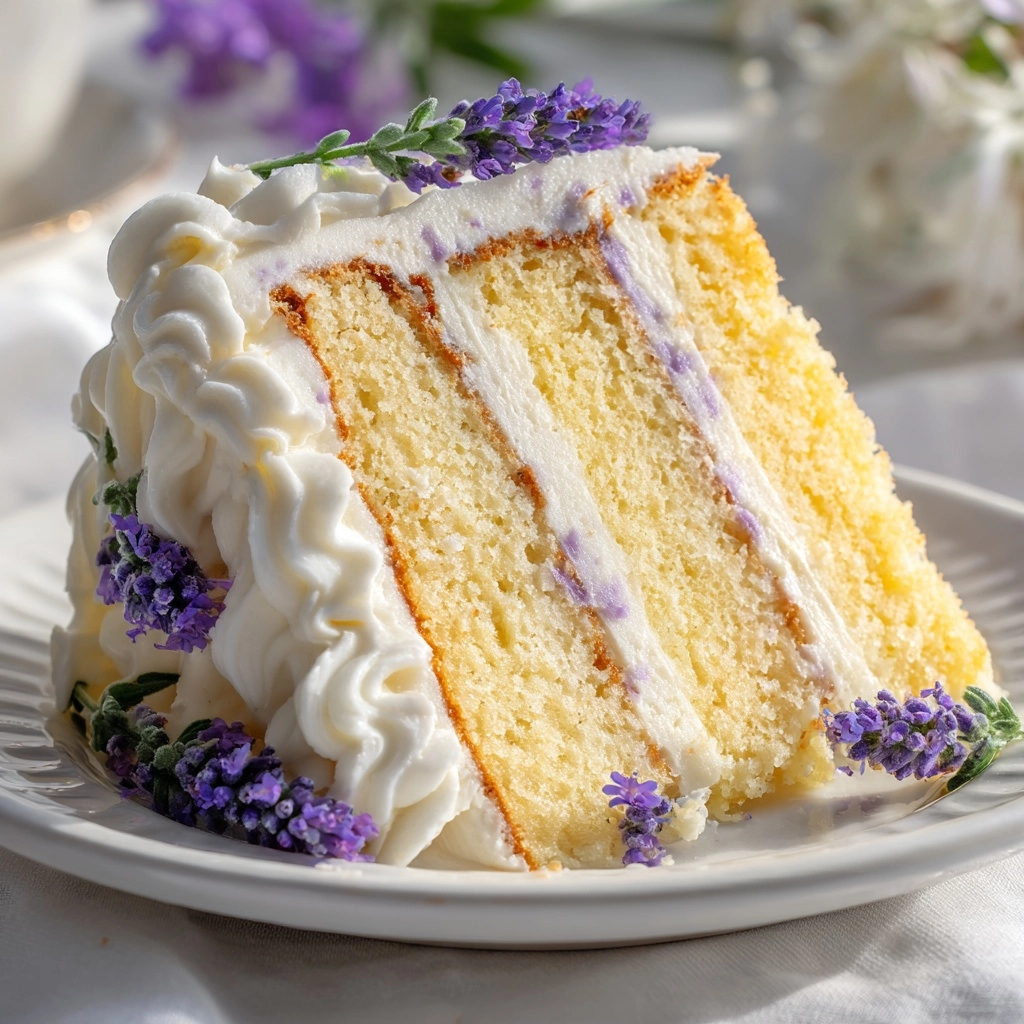
Garnishes
A simple yet stunning way to garnish this cake is with a few fresh lavender sprigs or thin lemon slices laid artfully on top or around the serving plate. A light dusting of powdered sugar can also add a delicate sweetness and a dusted appearance reminiscent of a spring garden morning.
Side Dishes
This Lemon Lavender Cake Recipe pairs wonderfully with a dollop of freshly whipped cream or a scoop of vanilla bean ice cream for extra indulgence. A cup of fragrant herbal tea, like chamomile or a lemon balm blend, complements the cake’s delicate flavors perfectly.
Creative Ways to Present
For a special occasion, consider slicing the cake into petite tiers layered with lemon curd or lavender-infused mascarpone between them. Alternatively, serve it alongside a small bowl of fresh berries or edible flowers for a whimsical, garden-party feel that will wow your friends and family.
Make Ahead and Storage
Storing Leftovers
Keep your leftover Lemon Lavender Cake Recipe fresh by storing it in an airtight container at room temperature for up to 3 days. This keeps the cake moist and the flavors vibrant without drying it out.
Freezing
You can freeze the cooled, unglazed cake wrapped tightly in plastic wrap and then in aluminum foil for up to 2 months. When ready to enjoy, thaw it in the refrigerator overnight and then bring to room temperature before glazing and serving.
Reheating
If you like your cake slightly warm, gently reheat individual slices in the microwave for 10 to 15 seconds. This softens the crumb without compromising the delicate flavors of the lemon and lavender.
FAQs
Can I substitute dried lavender with fresh?
For baking, it’s best to use culinary-grade dried lavender because fresh lavender can add too much moisture and intensity, potentially overpowering the cake. Dried lavender, when finely crushed, gives a balanced floral note.
Is buttermilk necessary in this Lemon Lavender Cake Recipe?
Buttermilk adds a subtle tang and keeps the cake moist, but if you don’t have it on hand, you can make a substitute by adding 1 tablespoon of lemon juice or vinegar to 1 cup of milk and letting it sit for 5 minutes before using.
How do I prevent the cake from sticking to the pan?
Properly greasing and flouring your cake pan is key. You can also use parchment paper on the bottom if you prefer extra assurance. Allow the cake to cool slightly before turning out it helps keep the shape intact.
Can I make this cake vegan or gluten-free?
This Lemon Lavender Cake Recipe relies on eggs, butter, and buttermilk, so vegan substitutions would require ingredient swaps like flax eggs and vegan butter. For gluten-free, use a 1-to-1 gluten-free flour blend, but note the texture might change slightly.
What is the best way to crush lavender for baking?
Use a mortar and pestle or the back of a spoon to gently crush culinary lavender buds until they are finely ground. This helps release their fragrance and flavor evenly without leaving large, chewy pieces in the cake.
Final Thoughts
Once you try this Lemon Lavender Cake Recipe, it’s hard not to fall in love with the way lemon brightness and floral notes dance together in a tender, moist crumb. It’s perfect for so many occasions or even just a sweet pick-me-up to brighten your day. I can’t wait for you to bake it, share it, and enjoy every single slice as much as I do.