“`html
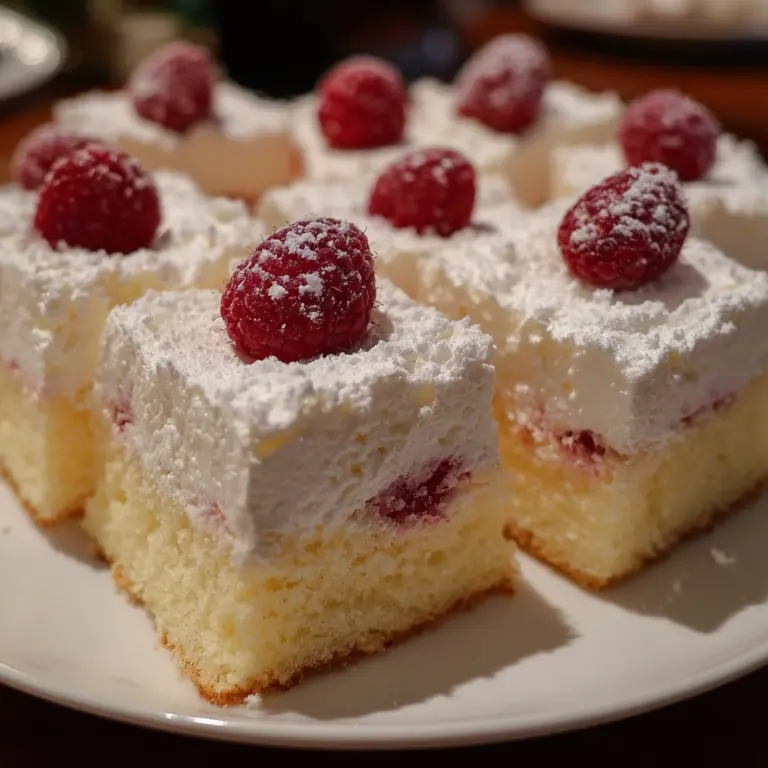
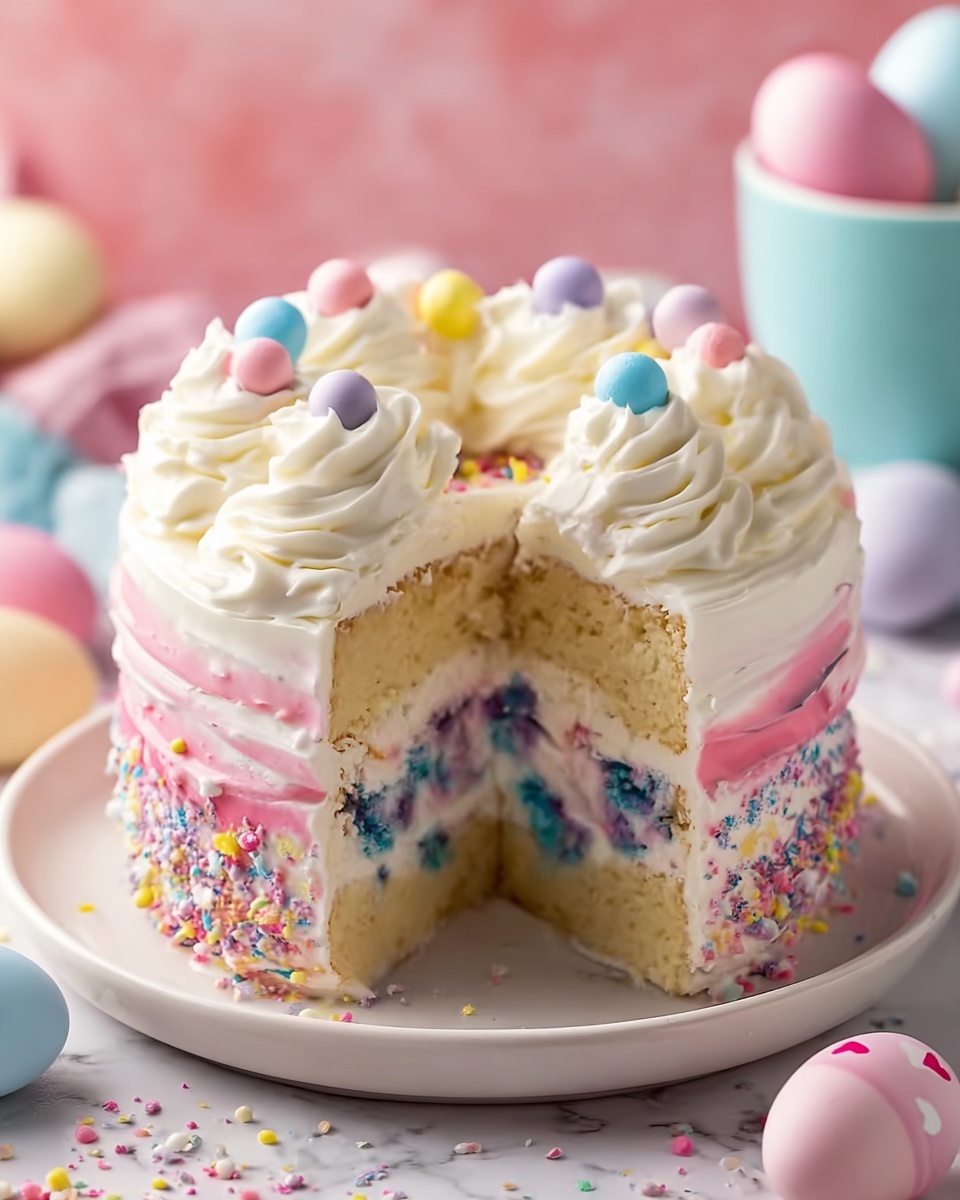
If you are looking for a delightful, eye-catching dessert that perfectly captures the joy and colors of spring, this Swirled Easter Cake Recipe is exactly what you need. It combines the moist tenderness of a classic white cake with playful swirls of pastel colors, creating a visual treat as charming as it is delicious. The lightly sweet, smooth frosting topped with festive sprinkles adds just the right touch of celebration, making it a crowd-pleaser for family gatherings, Easter brunches, or any cheerful occasion.
Ingredients You’ll Need
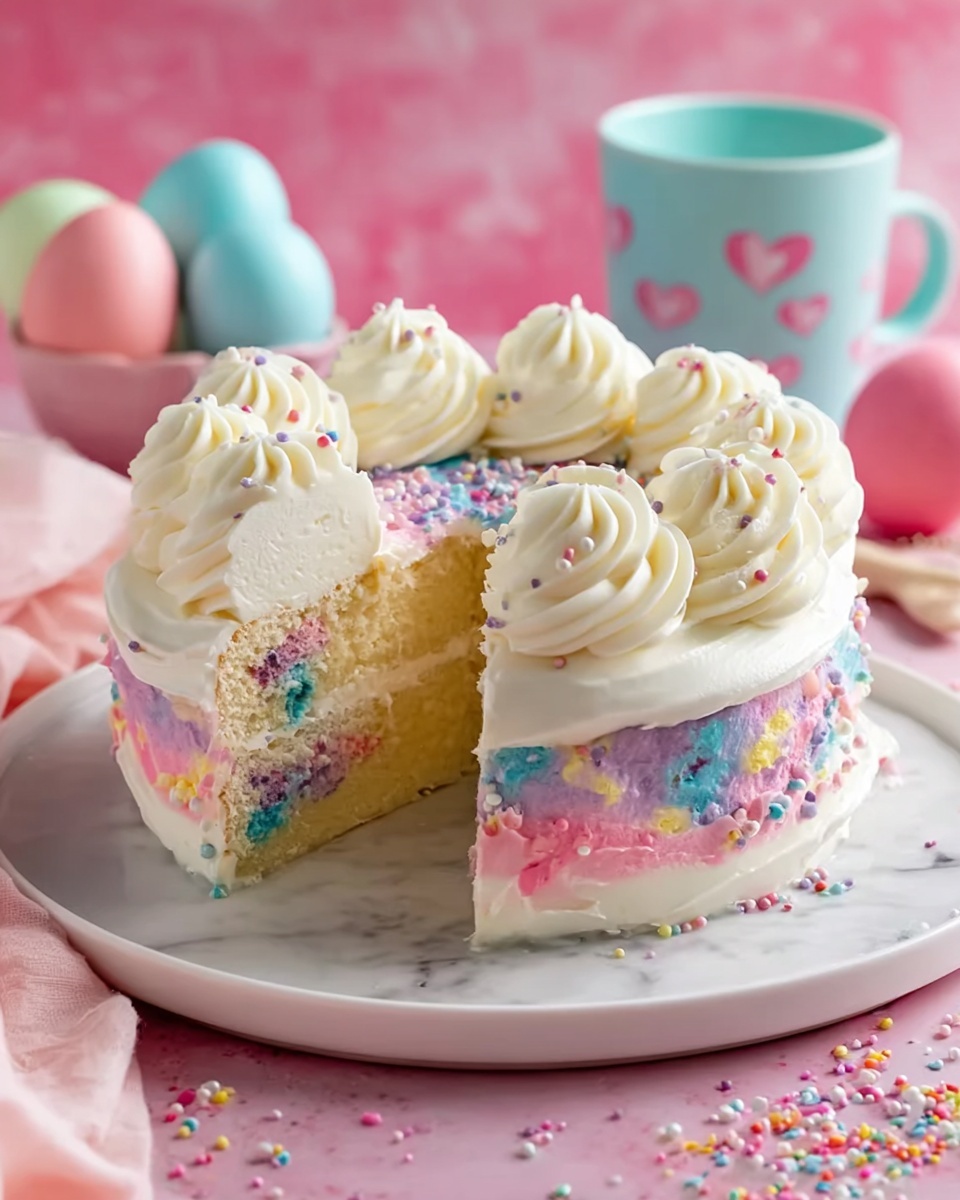
Each ingredient in this Swirled Easter Cake Recipe is simple yet essential, contributing to its fluffy texture, vibrant colors, or rich flavor. With basic pantry staples and a few special touches, you’ll whip up a cake that tastes as amazing as it looks.
- 1 box white cake mix: Provides a light, fluffy base that works perfectly for vibrant food coloring.
- 1/4 cup water: Helps combine all dry ingredients smoothly for the right batter consistency.
- 4 egg whites: Adds structure and enhances the lightness of the cake.
- 1/2 cup vegetable oil: Keeps the cake moist and tender without overpowering the flavor.
- 1 cup sour cream: Brings richness and a slight tang that balances sweetness.
- 1 tsp clear vanilla extract: Offers subtle aroma without darkening the batter.
- Blue, pink, yellow food coloring: Or your preferred pastel shades to create the signature Easter swirls.
- Pastel sprinkles, Easter sprinkles, or candies: For festive garnish and added texture.
- 1/2 cup butter, softened: Essential for a creamy, dreamy frosting base.
- 2 cups powdered sugar: Sweetens and thickens the frosting to perfection.
- 1/4 tsp salt: Enhances flavor depth in the frosting.
- 1 1/2 tsp vanilla extract: Provides warm, comforting notes to the frosting.
- 2-4 tablespoons heavy cream: Adjusts frosting texture for easy spreading.
- Optional food coloring: To match or contrast with the cake swirls for a colorful finish.
How to Make Swirled Easter Cake Recipe
Step 1: Prepare Your Baking Dish and Oven
Start by preheating your oven to 350°F (175°C). This ensures it’s hot and ready when your batter is mixed. Grease a 9” x 13” baking dish generously to prevent the cake from sticking; this simple step pays off with a clean release and perfect edges.
Step 2: Mix the Cake Batter
In a large mixing bowl, combine the white cake mix, water, egg whites, vegetable oil, sour cream, and clear vanilla extract. Begin on low speed to avoid flour splashes, then increase to medium and beat for 2 minutes. Don’t forget to scrape down the sides to make sure everything is evenly mixed, resulting in a smooth, consistent batter that will bake beautifully.
Step 3: Divide Batter for Swirling
Pour two cups of this luscious batter into your prepared baking dish, forming a solid base. Divide the rest into three small bowls, roughly half a cup each, so you can create the delightful colorful swirls that define this cake’s festive personality.
Step 4: Add Your Colors
Pick your favorite pastel shades—blue, pink, yellow or any colors you love—then mix a few drops into each small bowl. Stir until the color is evenly distributed, making sure each swirl will pop on the cake.
Step 5: Create the Swirls
Drop dollops of each colored batter randomly over the white batter layer. Use a butter knife to gently swirl these colors into the pale batter. Take care not to overmix—just enough to create beautiful, distinct swirls without blending everything into one pastel shade.
Step 6: Bake to Perfection
Bake your masterpiece for about 30 to 35 minutes. Test doneness by inserting a toothpick in the center—it should come out clean when the cake is ready. Allow the cake to cool completely before moving on to frosting, so your icing stays smooth and soft.
Step 7: Make the Frosting
Beat the softened butter until it’s light and fluffy in a large bowl. This is the foundation of a perfectly creamy frosting that will balance the cake’s color and texture magnificently.
Step 8: Sweeten the Frosting
Gradually add powdered sugar while mixing on low speed to avoid a sugar cloud explosion. Scrape down the bowl sides often to keep the mixture smooth and fully combined.
Step 9: Add Flavor and Texture
Mix in salt, vanilla extract and 2 tablespoons of heavy cream. Beat for a minute, then check the texture. If the frosting is too thick, add more cream, one tablespoon at a time, until it spreads easily but holds its shape.
Step 10: Optional Color Enhancement
If you want your frosting to coordinate with your swirls, add a few drops of food coloring until it reaches the hue you desire. This step transforms the frosting from simple to stunning.
Step 11: Frost and Garnish Your Cake
Spread the frosting evenly over the cooled cake, then decorate with pastel or Easter-themed sprinkles and candies. These finishing touches make your cake sparkle as a centerpiece for any celebration.
How to Serve Swirled Easter Cake Recipe
Garnishes
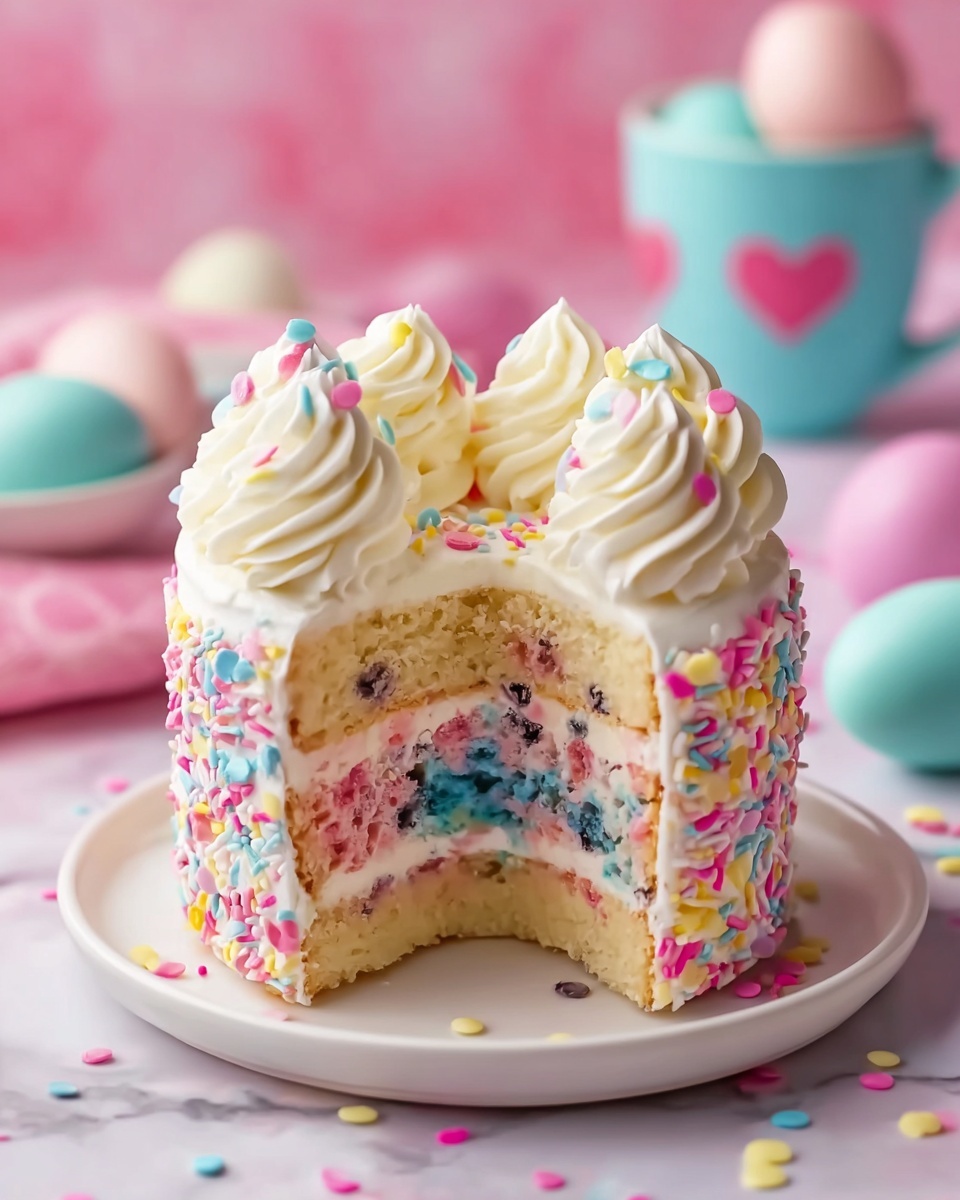
The sprinkles and candies aren’t just colorful—they add a playful crunch that contrasts beautifully with the soft cake and creamy frosting. You can get creative by layering with small edible flowers or pastel-colored chocolate eggs for extra spring vibes.
Side Dishes
Serve slices alongside fresh fruit like strawberries or kiwi to complement the sweetness with refreshing bursts. A light whipped cream or a scoop of vanilla ice cream can also elevate the experience, turning every bite into a celebration.
Creative Ways to Present
For a truly festive table, present the cake on a decorative platter surrounded by colorful Easter eggs or pastel napkins. Slice into neat squares to showcase the swirls inside or cut with cookie cutters for themed shapes perfect for kids and parties alike.
Make Ahead and Storage
Storing Leftovers
Keep any leftover Swirled Easter Cake Recipe covered tightly in an airtight container at room temperature for up to two days. Beyond that, refrigeration ensures freshness but may slightly firm the frosting.
Freezing
You can freeze unfrosted cake layers wrapped in plastic wrap and foil for up to 3 months. Thaw overnight in the fridge before frosting so your cake stays moist and fresh-tasting when served.
Reheating
For best results, enjoy the cake at room temperature. If chilled or frozen, allow it to sit for 20-30 minutes before serving for the frosting to soften and flavors to bloom.
FAQs
Can I use homemade cake batter instead of a mix for this Swirled Easter Cake Recipe?
Absolutely! Homemade batter works wonderfully if you prefer, just keep the batter consistency similar to ensure the swirls blend well without sinking or spreading too thin.
What if I don’t have clear vanilla extract?
Regular vanilla extract can be used, but it will slightly tint the batter beige instead of pure white, which might affect the pastel colors. For the brightest swirls, clear vanilla is ideal but not mandatory.
Can I make this recipe dairy-free?
Yes, substitute dairy ingredients like sour cream and butter with plant-based alternatives, and use egg replacers if needed. The texture may vary slightly, but the cake will still be delicious and perfect for your holiday.
How do I prevent the colors from bleeding into each other?
Drop the colored batter dollops sparingly and swirl gently. Overmixing or using too much colored batter in one spot can cause the colors to blend into a muddy shade, so less is more when creating that signature swirl pattern.
Can this cake be made in different sizes or pans?
Yes! Adjust the baking time accordingly when using round pans or mini loaf pans. Keep an eye on doneness, as smaller cakes bake faster while larger ones might take a bit longer.
Final Thoughts
This Swirled Easter Cake Recipe is truly a joy to make and share. It combines bright colors, light textures, and festive flavors into one unforgettable dessert that brings smiles around the table. I can’t wait for you to try it and see just how magical a homemade cake can be when it’s made with love and a splash of creativity.
“`